The patio rule
The dog on the taproom patio: the unwritten rules
The fence between welcome and nuisance on a patio is a settled dog and a read sign. The legal line, the manners the dog owes, and when the answer is no.
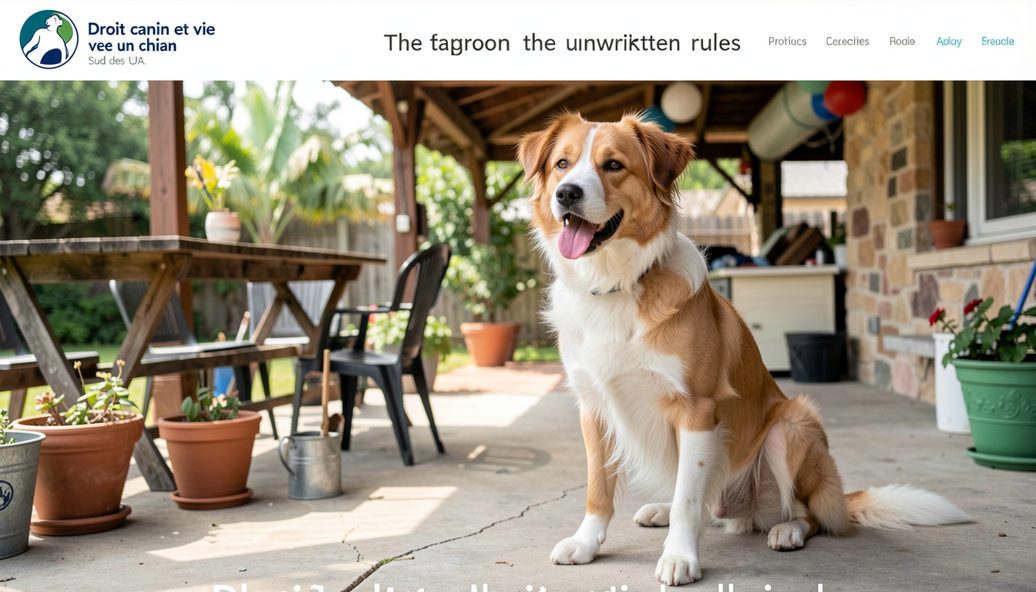
A dog under the table on a brewery patio is one of the South's ordinary scenes, and it survives on two conditions: the establishment has chosen to allow it, and the dog earns the choice. Neither is assumed. This page covers the legal line, the settle that makes the visit possible, and the signs that say the answer is no.
Are dogs actually allowed where food and drink are served?
Inside, almost never: food codes restrict animals in dining rooms to trained service animals. On an outdoor patio the answer shifts to the state health code and the establishment's own policy, and the two read together. The humane organizations that publish guidance on dogs in public places, including the Humane Society's pages at humanesociety.org, give the same first instruction the health inspector does: ask before you assume. A patio that welcomes dogs posts it or answers it plainly; a patio that does not is not a negotiation.
What does the dog owe the table?
The dog owes a settle: down, under the table, quiet for the length of a glass. Everything else is the owner's half. The leash stays short and stays held or secured to your own chair, never to the table a server might carry away. The dog is fed nothing from the table, offered water from a bowl you brought, and walked away from the aisle where the plates travel. A dog that cannot hold the settle yet is not banned from patios; it is simply not ready, and the work happens at home first, on the windows mapped at training in hot weather.
The scene above the dog has its own reading, for the curious: the guides that follow beer from grain to glass, like Malt & Measure's pages on how beer reaches the glass, explain the service temperature and the clean glass the dog is lying under. The dog's concern is simpler and sits lower: dropped pretzels, the floor's smells, and the stranger's hand that approaches without asking.
When is the answer no?
More often than the posted sign suggests. A crowded Friday patio, a dog who has not eaten, a thunderstorm building: each alone can turn a manageable visit into a management problem. The exit is part of the plan from the start, which is why one person holds the leash and the decision to leave is made before the second round is ordered, not during it.
The season decides as much as the dog does. A Southern patio in July is a heat question before it is a manners question: the pavement the dog lies on, the water the bowl holds, and the hour the visit happens. The same visit in October is the easy version of itself, and the owner who learns the dog's patio manners in the mild months arrives at July with the answer already known. The heat arithmetic the session obeys is the one mapped at the emergency page, read before it is ever needed.
The visit that ends well is the one that ended on time: the dog home before its patience ran out, the table left as it was found, the server thanked for the water bowl nobody asked for. The patio remembers the good visits, and the next one is easier because of them.
The visit in one table
| Element | The establishment controls | The owner controls |
|---|---|---|
| Entry | Whether dogs are permitted at all | Asking before sitting |
| The table | Where the dog may settle | The short leash, the own-chair rule |
| Food and drink | What the health code allows served | Nothing from the table to the dog |
| The aisle | The server's route | The dog under the table, out of the lane |
| The exit | Closing time | Leaving before the dog is tired of it |
The patio kit
What rides in the car
Five items that make the visit a non-event.
- A bowl and water; a patio bowl is a request, not a given.
- A short leash and a settle mat the dog already knows.
- A chew for the length of one glass, no longer.
- Bags, because the parking strip is still the ordinance's ground.
- The decision to leave early, made before it is needed.
Keeping this page honest
The legal line described here is the general shape of food codes and house policies, not a reading of any one state's text; the patio's own answer governs the visit. The settle underneath it is trained on ordinary days, and the groundwork is at training and behavior.