The address
Choosing a house and street with a dog in mind
The dog reads the address differently: the fence line, the stairs, the street at dusk, the nearest grass. The checks to run before the paperwork starts.
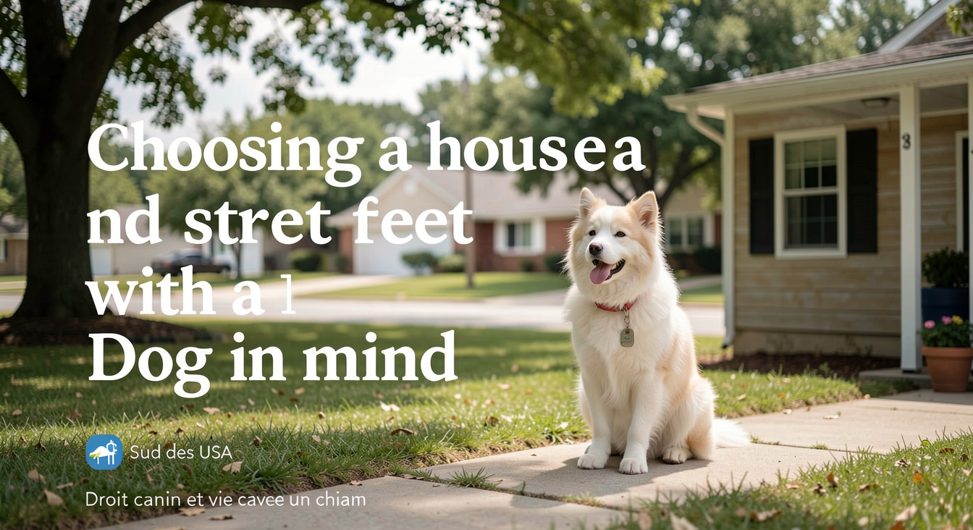
A house with a dog is chosen twice: once for the family and once for the animal who will patrol its edges. The second reading is concrete. Fence line, gate latches, the street's speed at school hour, the sidewalk network, the nearest legal grass. This page runs that second reading, in the order a dog meets the property.
What does the dog need from the lot itself?
The fence first, because it is the feature that costs the most to fix. Walk the line: height the dog cannot clear, no gaps a head can test, gates that latch rather than rest. Then the ground itself: shade the afternoon gives, drainage where the rain stands, and the distance between the back door and the fence a nervous dog will run. A lot that fails the fence check is not disqualified; it is priced, because the owner file counts containment as the piece the street can see.
How do you read a street before you buy on it?
The same way a careful buyer reads any address: on foot, at the hours that matter. New England real estate guides call it the observation walk, and Betsy Hines' notes on reading a neighborhood on foot apply to a dog owner anywhere: the noise an hour makes, the traffic the dog will bark at, the other dogs behind fences along the route you will walk twice a day. Add the dog's own questions to the walk: is there a sidewalk or a shoulder, where does a loose dog appear from, and how far is the nearest grass that is legal to use.
What about leases, covenants and the rules of the address?
The paper layer outranks the physical one. A lease or an association covenant can restrict breed, weight or number of animals in a state that never passed a law about it, and federal fair housing rules at hud.gov draw the narrow line between an animal that is a pet and one that is assistance. The check is cheap and early: the documents read before the offer, not after the move. The contract side of the question is mapped at breed clauses in contracts.
What do the neighbors' dogs tell you?
More than the listing does. The dogs already on the street are the audit of what the street permits: a block where dogs bark behind flimsy fences at every passerby is a block where containment is theoretical, and the new dog will learn the street's habits or fight them daily. The same walk that prices the fence reads the canine neighborhood: whose dogs are loose at which hour, which yard the mail carrier slows at, and whether the street's dog culture is a porches-and-leashes one or a doors-left-open one.
Storm season completes the reading in this region. The drainage swale at the lot's back is where the dog will stand in the first hard rain, and the tree line the listing calls mature is also the branch load above the dog's yard in a named storm. Neither disqualifies the address; both belong on the walk, in the column the family will not find in the seller's disclosure. The address that survives the dog's walk is the address the family should offer on.
The reading in one table
| Feature | The family's question | The dog's question |
|---|---|---|
| The fence | Privacy and boundary | Height, gaps, a latch that latches |
| The yard | Size and upkeep | Shade at four in the afternoon, drainage after rain |
| The street | Quiet and commute | Speed at school hour, dogs behind the fences |
| The layout | Rooms and light | Stairs for an aging dog, a door that buffers the street |
| The documents | Price and terms | Breed, weight and number clauses, in writing |
Before the offer goes in
The dog's due diligence
Six checks that cost an afternoon and save a mistake.
- The fence line walked, gaps and latches photographed.
- The street walked at the hours the dog will use it.
- The lease, covenant or association rules read for animal clauses.
- The nearest legal grass and the route to it.
- The evening noise: trains, shifts, the neighbor's dog.
- The distance to the veterinarian the file will move to.
Keeping this page honest
The checks above are practice, not statute; the legal layer they touch is the contract layer, and where a restriction is written it is the document that decides. The containment half of the answer lives at the owner file, and the first hole dug on the new lot begins at the call before you dig.