Breed law
Breed specific legislation in the South
Where a city may ban a breed, where the state wall stops it, and why a lease or an insurance policy can restrict a dog in a state that never passed a law.
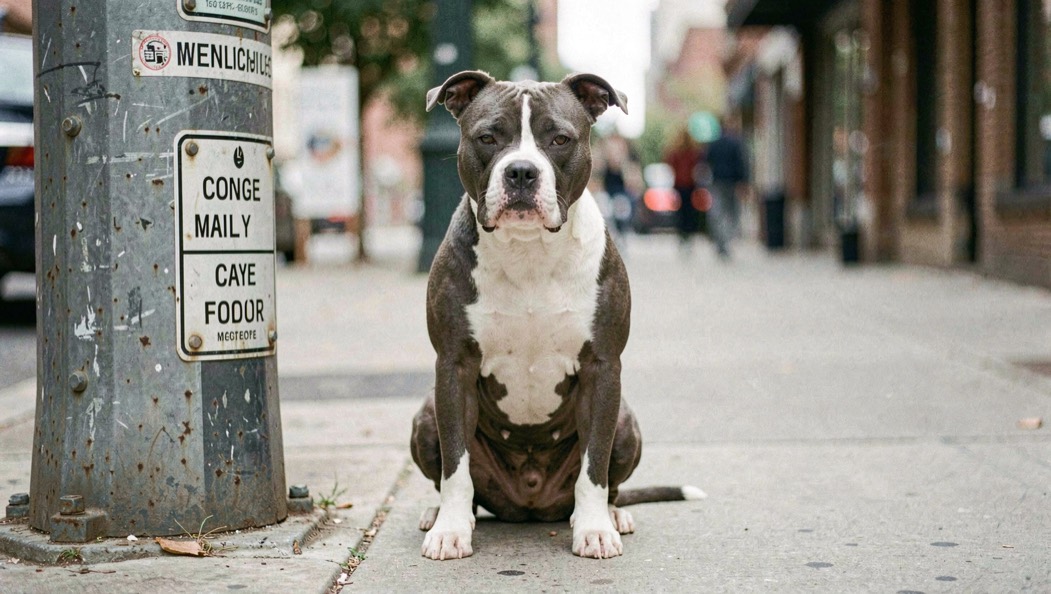
Whether a city in the South may ban a breed comes down to one question: has the state legislature taken the subject away from the cities. In the five states read so far, Mississippi among them, no statute does that, and the council chamber decides. Florida is the counterweight: its statute has held the field for decades, and in 2023 the legislature removed the clause that had shielded the ordinances written before it.
The subject matters because the restrictions that actually reach a dog in the South are more often private than public: the lease, the insurance policy, the association rule. This page reads the public half first, then the contracts that survive it. The standing scoreboard for the public half is the Southern Dog Law Table.
What preemption means for a council
Preemption is the doctrine that when a state legislature occupies a field, the cities step out of it. For breed specific ordinances the question is brutally practical: if the state has preempted, a city's breed ordinance is void no matter how long it has been enforced; if the state has not, a city may write one tonight. The term is unpacked in the glossary entry preemption defined, and the whole question turns on reading the state's own statute rather than a summary of it.
Florida holds the field, then closes the old door
Florida's statute, Fla. Stat. section 767.14, has said since 1990 that localities may not regulate dogs by specific breed: the subject belongs to the state. For most of those years the statute carried a grandfather clause sparing the ordinances that predated it, so a handful of city bans survived on borrowed time. In the 2023 session the legislature passed Senate Bill 942, signed on June 16, 2023 and effective October 1 of that year, and the grandfather clause is gone. The cities that still enforce a breed ban on the strength of the old clause are enforcing a dead letter unless a court says otherwise, and the desk records the dates exactly as it read them in the statute and the bill history.
Where a city may still write one
In the five states read so far, Mississippi, Alabama, Georgia, Louisiana and Tennessee, the desk found no statute occupying the breed field; each reading is dated on the comparison table. No preemption means the city council holds the power it always had: to declare a breed dangerous by name, to condition ownership on insurance or muzzle, or to ban outright. It also means the map is municipal rather than statewide: two towns on the same highway can hold opposite rules for the same dog, and the only way to know which is yours is to open your town's code and read it.
How a text names a breed
An ordinance that regulates by breed has to say what the breed is, and this is where the texts wobble. Some define by registry papers; more define by appearance and type, words that ask an officer to decide on a sidewalk what a standard committee argues over in a showroom. The question of which exact dogs a given name covers has a legal answer, not a genetic one: it is whatever the ordinance's own definition section says, and definitions differ from text to text. Reading the definition before the prohibition is the difference between knowing the rule and quoting it wrongly.
On the ground, an animal control officer assigns breed by appearance and type, and that visual guesswork fails more often than it succeeds. The fostered dog Copper was seized as a pit bull type yet his DNA showed Boxer and Labrador Retriever ancestry with no pit bull ancestry, which shows visual breed identification is unreliable. That risk matters in Mississippi cities where the council writes its own definition.The contract that survives the statute
Private rules do not need a city council. A landlord may refuse breeds by lease; a property association may refuse them by covenant; an insurer may surcharge or exclude them by policy. None of that is breed specific legislation in the legal sense, none of it is touched by preemption, and all of it reaches more dogs in a year than most ordinances do. The practical side of that constraint, for a renter weighing a move, is unpacked in renting with a dog.
The map as read
| State | Preempted | The text | Checked |
|---|---|---|---|
| Mississippi | No | No statute occupying the field found in the code as read | September 2, 2026 |
| Alabama | No | No statute occupying the field found in the code as read | September 2, 2026 |
| Georgia | No | No statute occupying the field found in the code as read | September 2, 2026 |
| Louisiana | No | No statute occupying the field found in the code as read | September 2, 2026 |
| Tennessee | No | No statute occupying the field found in the code as read | September 2, 2026 |
| Florida | Yes | Fla. Stat. section 767.14, holding the field since 1990; Senate Bill 942 of 2023, signed June 16, 2023, effective October 1, 2023, removed the grandfather clause | September 2, 2026 |
Before you move or sign
The reading a dog owner does before a move
Documents in this order, before the truck is loaded.
- The city code of the town you are moving to, Animals title, searched for the breed's names.
- The county code too, if the address sits outside city limits.
- The lease or the covenants, read for breed, weight and count clauses before signing.
- The insurance policy, with the insurer's answer on the breed obtained in writing.
Keeping this page honest
The Florida dates and citations were read at the source, statute and bill history; the five readings of absence were made chapter by chapter and carry their date on the comparison table. Where a reader needs the current text of any of them, the codes are public, and the method for opening them is on the resources page.