The sidewalk rule
Pet waste and city ordinances: what dog owners owe the sidewalk
The bag in the pocket is a legal document in most towns. What the ordinance asks, what the fine looks like, and how a big city writes the rule a small one borrows.
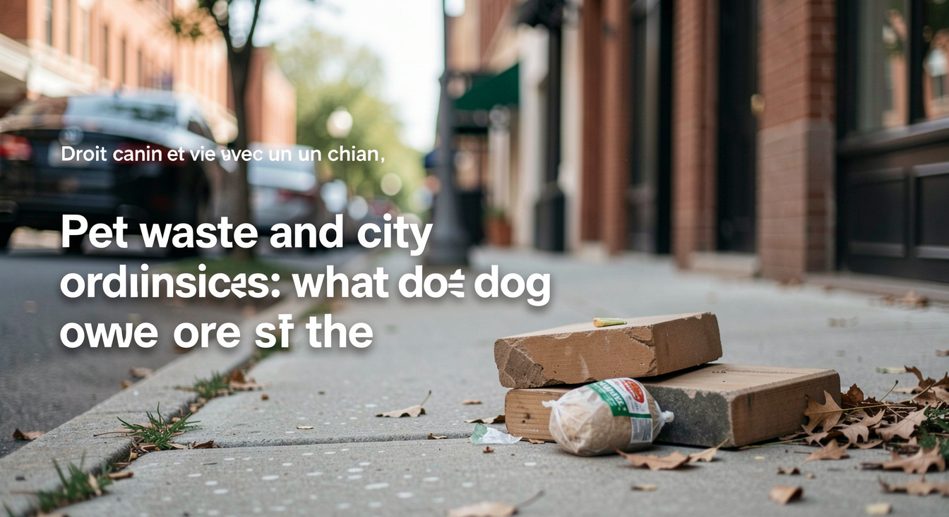
The short answer: yes, a city can make picking up after your dog a legal duty, and most do. In the South the power sits with the municipality, not the state, so the rule that binds you on a given sidewalk is the ordinance of the town you are standing in. This page explains what those ordinances ask, how a very large city writes the same rule, and what a dog owner owes before the enforcement officer ever appears.
What do city ordinances require when you walk a dog?
The standard article is short. The dog may not defecate on public property, or on private property without the owner's consent, unless the walker removes it at once. Removal means pickup, bagging, and disposal in a lawful receptacle, not nudging the pile behind a hedge. Many ordinances add a possession clause: you must carry the means of removal, so an empty pocket is itself the violation, before anything hits the ground.
The duties split into three moves that appear in almost every version of the text. Pickup, which means collecting the deposit completely. Containment, which means a sealed bag rather than an open hand. Disposal, which means the trash stream the ordinance names, usually household refuse or a public litter basket. A municipal drain, a storm grate or a neighbor's can fails the third step in most readings of the rule.
How do large cities write and enforce their sanitation rules?
A large city treats pet waste as one article inside a sanitation code that also covers set out times, containers and litter. The departments that run it publish the rule plainly: New York City states its dog waste law on the official city portal, and a dedicated reader's guide to NYC sanitation rules walks the whole system, from set out windows and lidded bins to the summons that lands when the rule is broken. The pattern to take from a code that size is not the dollar figure of the fine; it is the division of labor, where the sanitation department writes the rule, the enforcement agent writes the ticket, and a hearing office decides the dispute.
A small Southern town runs the same machine in miniature. The ordinance lives in the Animals article or the Health and Sanitation article of the city code, the enforcement is the animal control officer or the patrol officer who happens to be present, and the hearing is a date in municipal court. The Mississippi leash law page explains why the binding text is always municipal here: the state grants the power, the city writes the rule.
What happens when a sanitation rule is broken?
The enforcement path is predictable because it is designed to be cheap. An officer observes the violation or a complainant reports it, a summons or citation issues with a fine amount printed on it, and the owner pays or appears. Repeated violations step the fine up in most schedules. The practical point for a dog owner is narrower: the citation is a document, it names the section violated and the date, and keeping it with the dog's file matters if the same address ever appears in a bigger dispute.
The duties in one place
| Duty | What the text usually says | What satisfies it |
|---|---|---|
| Carry the means | Possession of a bag or device while the dog is walked | A bag in the pocket, checked at the door |
| Remove at once | Immediate pickup on public or another's property | The deposit collected completely, not pushed aside |
| Contain | A sealed or closed container for the waste | A tied bag, not an open hand |
| Dispose lawfully | Deposit in refuse or a public litter basket | Household trash or a street basket, never a storm drain |
| Answer the citation | Pay the printed fine or appear on the date | The summons kept and answered, not ignored |
The habit that answers the ordinance
The sidewalk file, kept without thinking
Four small habits that satisfy the article before it is read.
- Bags staged at the door and in the jacket that walks the dog.
- The deposit removed completely, in one pass, before the dog moves on.
- The bag tied and dropped in refuse or a public basket, not a drain.
- Any citation kept in the dog's file with the date it was answered.
Keeping this page honest
The duties described here are drawn from municipal code language as codification sites present it, and from New York's published sanitation rule where a large documented example helped. No Mississippi city is quoted by name because each writes its own article; the owner's copy is the ordinance of the town under their feet, and the legal half of the file that surrounds this duty sits at the owner file.