The coat card
Reading a Border Collie coat, pigment by pigment
Pigments, merle, white markings and health: what a Border Collie colour description can and cannot prove, with the terms breeders and shelters actually use.
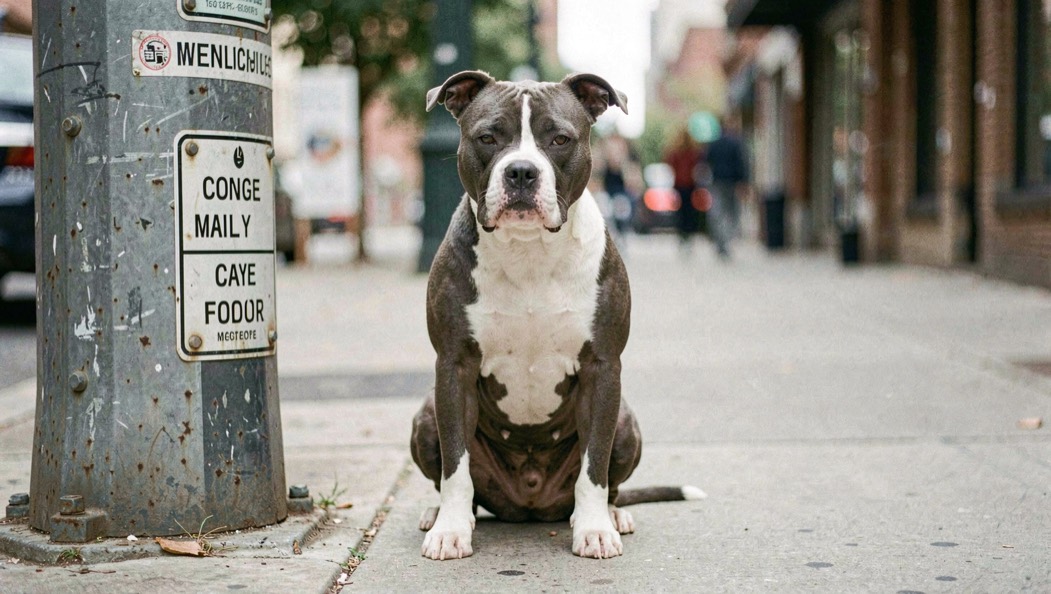
A colour description is a label for what the eye can see, not a statement about genes. Two Border Collies can carry the same visible pattern while differing in what they pass on, and two littermates can look nothing alike. The practical guide at Border Collie coat colours separates the vocabulary of appearance from the vocabulary of genotype, which is the distinction that keeps a conversation about a dog's coat honest.
What pigments are actually visible on a Border Collie?
Two pigments do the work: eumelanin, which reads as black or brown, and phaeomelanin, which reads as red or yellow. Everything else on a Border Collie coat is a modification of one of those two, or a pattern laid over them.
Black is the default eumelanin expression. Brown, often called chocolate or liver, is the same pigment in a lighter form, and it lightens the nose and eye rims along with the coat. Blue is a diluted black, and lilac is a diluted brown, so both depend on a dilution gene acting on the base pigment rather than on a separate colour. A blue dog with black pigment somewhere on the body is a contradiction worth checking, because dilution affects pigment everywhere, not only on the back.
Red covers a wide range in the breed. The term red ee describes a dog that cannot produce eumelanin in the coat at all, so the visible colour comes entirely from phaeomelanin, from deep mahogany through gold to cream. Sable, brindle and the tan points seen on a black and tan dog are all patterns of phaeomelanin placed on a eumelanin base, and they follow their own inheritance rules.
Merle, and why it is not one colour
Merle is a pattern, not a pigment. It dilutes patches of the base coat in an irregular way, which is why a blue merle is a black dog with diluted patches and a red merle is a red dog with the same effect. The size, shape and distribution of those patches vary enormously between individuals, and no two merle patterns are identical.
Merle also affects more than the coat. It can lighten the iris, producing the blue eyes often seen in merle dogs, and it can reduce pigment in the inner ear and the eye itself. That is why merle is treated as a health topic and not only a colour topic. A dog with two copies of the merle gene, sometimes called a double merle, is at elevated risk of deafness and vision problems, and the risk is tied to the pigment loss rather than to the coat pattern a buyer happens to like.
For anyone describing a litter, this matters practically. A merle puppy is not simply a prettier version of a solid one, and a breeding decision that treats merle as a cosmetic choice is missing the part of the picture that affects the dog's daily life.
What do white markings tell you, and what do they not?
White markings on a Border Collie come from the same family of genes that control pigment migration in the embryo. They are not a separate colour, and they are not a sign of purity or of breed type on their own.
The vocabulary is specific. A blaze is the strip of white running up the muzzle and forehead. A split face, or face shared, describes a head divided between pigmented and unpigmented areas, often down the middle. A white collar is the band around the neck and shoulders. Ticking is small pigmented spots on otherwise white areas, and roaning is a more diffuse intermingling of white and coloured hair. Irish spotting, piebald and extreme white describe progressively larger areas of white, and the extremes can leave a dog with very little pigment around the eyes or ears.
What white markings do not tell you is the genotype. A dog with a wide white collar and a full blaze may carry the same underlying combination as a littermate with a narrow collar and no blaze, because the expression is variable. White markings also do not predict temperament, working ability or health in any reliable way. They are a description of where pigment stopped, nothing more.
Does a colour description prove a genotype?
No. A description is a hypothesis about what is visible, and a genotype is a laboratory result about what is inherited. The two overlap often enough to be useful and diverge often enough to matter.
A dog described as black and white may carry brown, or dilution, or merle without showing it. A dog described as red may be red ee, or may be a sable with heavy phaeomelanin expression. A dog described as blue may be a diluted black, or may be a merle with small patches that read as solid at a distance. Each of these distinctions changes what the dog can pass to a litter.
This is where genetic testing earns its place. Tests for the merle gene, for dilution, for the brown locus and for the red ee locus are available and are used by breeders who want to know what a dog carries rather than only what it looks like. The result is a genotype, and it belongs in the same conversation as the photograph, not instead of it.
How should a colour be documented for a shelter, a breeder or a registry?
Write down what you see, in the terms the breed already uses, and note the conditions under which you saw it. Puppy coat changes. A dog photographed in shade can read as a different colour than the same dog in direct sun. Wet hair clumps and hides ticking. A winter coat can obscure a pattern that is obvious in summer.
Record the pigment of the nose, the eye rims and the pads, because those are less variable than the coat and often confirm or contradict a coat description. Note eye colour, and note whether the dog has been BAER tested for hearing if merle is in the picture. Note the length and texture of the coat and whether there is an undercoat, since those affect grooming needs and are part of how the dog is described to a new home.
For a rescue or shelter, the goal is a description that helps the right household recognise the dog, not a description that maximises interest. Saying blue merle when the dog is a lightly ticked black and white, or saying red when the dog is a sable, creates a mismatch that shows up at the first vet visit.
Where the description ends and the dog begins
Coat colour is the most visible thing about a Border Collie and one of the least predictive. It tells you how the dog will look in a photograph and how much grooming the coat may need. It does not tell you how the dog will work, how it will live with children, or how healthy it will be.
The useful habit is to keep three things separate: the description, the genotype and the health screening. A colour guide helps with the first, a test result settles the second, and a veterinarian handles the third. Keeping them apart is what makes a conversation about a Border Collie's coat worth having.
The page in one register
| Section | The reading |
|---|---|
| What pigments are actually visible on a Border Collie? | Two pigments do the work: eumelanin, which reads as black or brown, and phaeomelanin, which reads as red or yellow. |
| Merle, and why it is not one colour | Merle is a pattern, not a pigment. |
| What do white markings tell you, and what do they not? | White markings on a Border Collie come from the same family of genes that control pigment migration in the embryo. |
| Does a colour description prove a genotype? | No. |
| How should a colour be documented for a shelter, a breeder or a registry? | Write down what you see, in the terms the breed already uses, and note the conditions under which you saw it. |
| Where the description ends and the dog begins | Coat colour is the most visible thing about a Border Collie and one of the least predictive. |
The checklist the desk runs
Before describing a coat
- Record the pigment of the nose, the eye rims and the pads, because those are less variable than the coat and often confirm or contradict a coat description.
- Saying blue merle when the dog is a lightly ticked black and white, or saying red when the dog is a sable, creates a mismatch that shows up at the first vet visit.
- The useful habit is to keep three things separate: the description, the genotype and the health screening.
- A colour guide helps with the first, a test result settles the second, and a veterinarian handles the third.